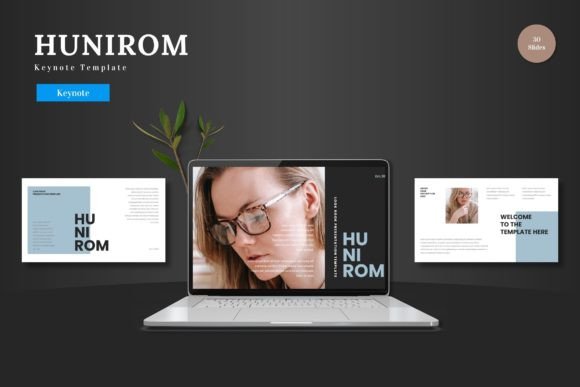
Elevating Your Visual Narrative: A Deep Dive into Presentation Design
In a world saturated with information, the ability to communicate ideas clearly and compellingly is paramount. Whether pitching to investors, training a team, or launching a product, the vehicle for this communication often remains the presentation. The foundation of any powerful presentation is its design template. A well-crafted template does more than provide a backdrop; it structures your narrative, enhances your credibility, and engages your audience on a visual level.
The Core Philosophy of Modern Template Design
Today's presentation tools must balance aesthetic appeal with profound utility. The ideal template is not a static, rigid frame but a flexible, scalable system. It acts as a design assistant, ensuring consistency and professionalism while allowing the creator's content to shine. This philosophy moves away from templates that dictate a look to those that empower a process. Key considerations include clean layouts that avoid visual clutter, color schemes that support brand identity and readability, and editable elements that adapt to your specific message.
Why Editability Within a Single Platform Matters
A significant evolution in presentation design is the move towards seamless, in-app editing. The need to juggle multiple software programs—one for layout, another for graphics, a third for animation—fragments the creative process and introduces technical barriers. A template designed to be fully editable within its native application, like Keynote, streamlines creation. This means every element, from text boxes to complex infographics, can be modified directly. You can input content, replace images by simply dragging them into placeholder slots, and adjust colors without exporting or converting files. This unified workflow reduces friction, saves time, and keeps the focus on the content's message rather than on software logistics.
Characteristics of a Multipurpose Presentation System
A template suited for broad application possesses distinct characteristics. It must be inherently multipurpose. The same core design should gracefully accommodate a business financial review, a creative pitch deck, an e-commerce product catalog, or a personal portfolio. This versatility is achieved through a neutral yet sophisticated base design and a structured slide library.
For instance, a comprehensive system might offer 150 total slides, organized into logical sections. These slides are not merely duplicates; they represent a curated collection of layouts for different content types: title slides, team introductions, data charts, comparison tables, and conclusive summaries. Having a vast array of starting points prevents slide fatigue and encourages a dynamic presentation flow.
The Power of Structured Variation and Master Slides
True flexibility often comes from organized variation. A template providing 5 premade color schemes, with 30 slides tailored for each, offers strategic choice. You can select a color theme that aligns with your corporate branding, the mood of the topic, or even the context of the event—a dark theme for a formal evening pitch, a bright theme for an educational workshop. Underpinning this is the use of master slides. Master slides are the foundational blueprints that control the consistent styling of all derived slides. This ensures that when you change a font or a color on the master, it updates across your entire presentation, maintaining pixel-perfect consistency. All illustrations and graphics are resizable and editable, preserving quality at any scale and allowing for fine-tuning to match your exact needs.
Practical Applications Across Audiences
The utility of such a design system extends to virtually every field. Professionals can craft client proposals and annual reports that convey authority and clarity. Entrepreneurs and startups can utilize the pitch deck slides to tell their story, highlight market opportunities, and present financial projections with polished infographics. Educators and researchers can transform complex data into understandable, visually engaging lectures or conference papers. Even hobbyists and creators can build stunning portfolios to showcase their work, using dedicated gallery and portfolio slide layouts that function as simple drag-and-drop image galleries.
Each group benefits from the inherent structure. The template provides a professional ceiling, ensuring the output looks expertly crafted, while the editable nature gives full control to express individual content. This balance is crucial for maintaining the quality and integrity of your products, ideas, or personal brand without requiring advanced graphic design skills.
Bringing Dynamics to Your Presentation
Modern audiences expect more than static slides. Strategic animation can guide attention, reveal information progressively, and add a layer of polish. A template that includes animated slides as part of its offering allows creators to incorporate these effects effortlessly. These are not overbearing animations but thoughtful movements designed to enhance comprehension and engagement. You can present these dynamic slides directly to the world, knowing the technical execution is handled smoothly within the platform.
Implementation and Workflow Considerations
Adopting a new presentation template involves assessing your workflow. The main file package is critical. A comprehensive offering might include the 5 KEY item from Keynote files, each representing a different color theme, plus the full 30-slide set for each theme. Having these assets organized in a folder with clear documentation—a Readme file, font information, photo usage notes—speeds up onboarding. The process becomes straightforward: open the chosen Keynote file, navigate through the section break slides to find the appropriate layout, and begin editing.
The workflow is intentionally linear: choose your color scheme, select a slide from the vast library that fits your content type, replace the placeholder image with your own, adjust text and colors as desired, and utilize the handcrafted infographics to visualize data. All actions occur within Keynote Slides. There is no need for another software. This closed-loop editing minimizes errors, preserves file integrity, and dramatically reduces the time from idea to finished presentation.
Final Thoughts on Presentation Empowerment
The goal of any tool is to empower its user. A sophisticated keynote template serves this end by removing design obstacles and amplifying communicative power. It turns the software from a blank canvas into a guided studio, where the principles of good design are baked into the starting point. This allows every user—from the business owner to the educator, from the seasoned professional to the enthusiastic hobbyist—to produce work that stands out, communicates effectively, and leaves a lasting impression. The final step is simply to present your slides to the world, confident that the design supports your narrative as powerfully as the content within it.